
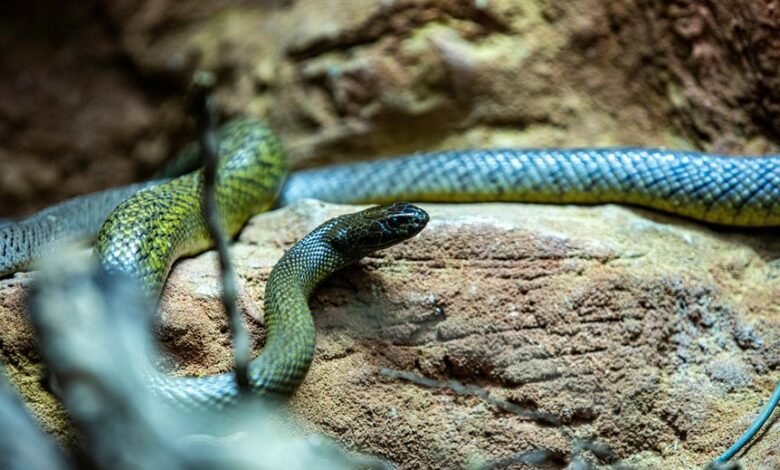
The reticulated python, known scientifically as *Malayopython reticulatus*, is recognized as the world’s longest snake, often exceeding lengths of 30 feet. This species inhabits a range of environments across Southeast Asia, showcasing its adaptability. Its remarkable size and intricate patterns have led to both admiration and misunderstanding. As myths surrounding this snake persist, a closer examination of its behavior and ecological role reveals complexities that challenge common perceptions. What implications do these misconceptions hold for conservation efforts?
The Giant of the Snake World
The term “giant” aptly describes the reticulated python, known scientifically as *Malayopython reticulatus*, which holds the title for the longest snake species in the world.
Record lengths have been documented exceeding 30 feet, showcasing its remarkable size.
Physical features such as intricate patterns and robust bodies contribute to its imposing presence, making it a fascinating subject for those intrigued by the diversity of the animal kingdom.
Habitat and Distribution
Habitat and distribution of the reticulated python reveal its adaptability to various environments across Southeast Asia.
This species predominantly inhabits rainforest ecosystems, yet it also thrives in grasslands and mangroves.
Its geographical range extends from the Philippines to the Malay Peninsula, showcasing a remarkable ability to exploit diverse habitats, which enhances its survival and reproductive success in changing environments.
Behavior and Diet
Adaptability to various environments also influences the behavior and diet of the reticulated python.
Its feeding habits are opportunistic, preying on mammals and birds, demonstrating efficient hunting techniques.
Social behavior is largely solitary, with interactions primarily occurring during mating.
This adaptability ensures survival in diverse habitats, allowing the reticulated python to thrive in both natural and altered environments.
Myths and Fascinations
How do myths and fascinations surrounding the reticulated python shape public perception of this remarkable serpent?
These serpents, with their mythical origins, often embody themes of power and mystery in various cultures.
Their cultural significance varies widely, influencing folklore and art.
Such narratives can evoke both fear and admiration, ultimately shaping society’s understanding and relationship with this extraordinary creature, fostering both intrigue and respect.
Conclusion
In summary, the reticulated python stands as a testament to the wonders of the natural world, embodying both majesty and mystery. Its expansive reach across diverse habitats mirrors the intricate tapestry of life in Southeast Asia, where each thread plays a vital role. As both predator and symbol, this snake challenges misconceptions and invites respect for its ecological significance. Ultimately, the reticulated python serves as a vital reminder that understanding nature is essential to coexistence in a shared ecosystem.